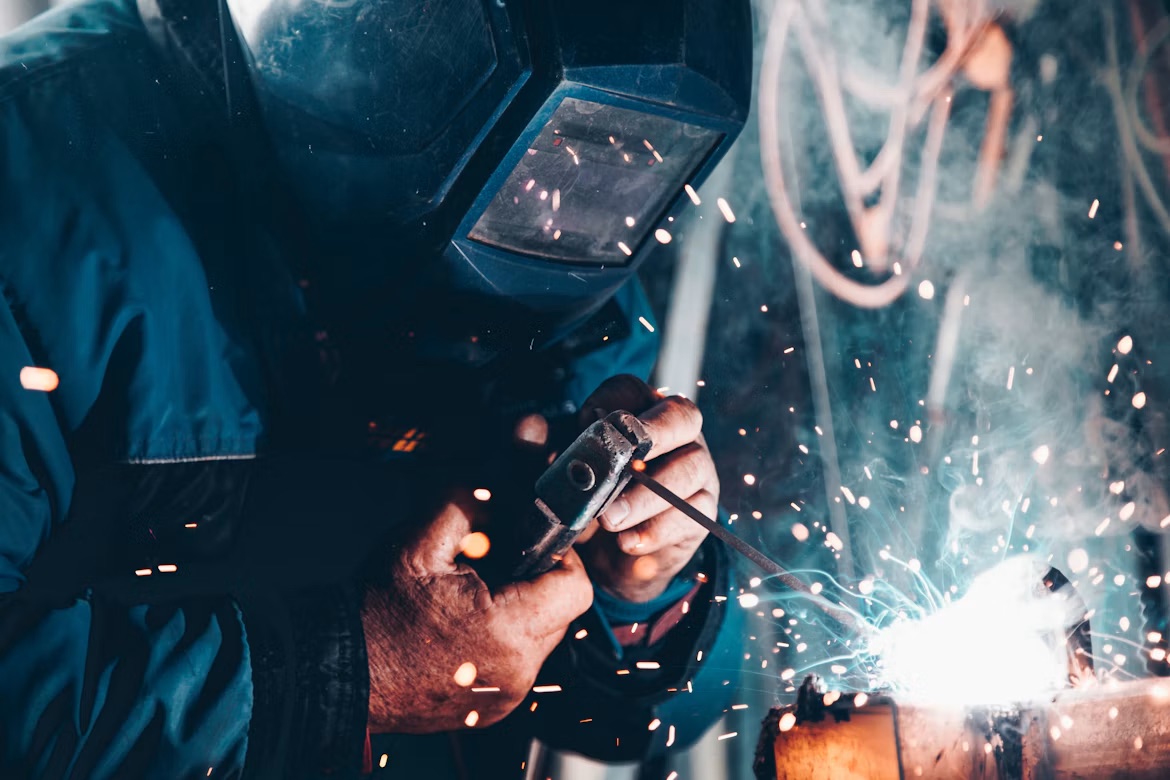
Welding inspectors check in-progress and completed welds against project requirements. CWI requirements are the steps the American Welding Society sets for earning its Certified Welding Inspector credential in the United States.
Whether you come from the welding booth or a fabrication shop, inspection work asks you to pair practical know-how with careful records. The job can offer a clear next step for tradespeople who pay close attention to how work is done.
Why Can Welding Inspector Jobs Build Your Career?
Welding inspector jobs can build your career by moving your trade knowledge into a role focused on quality and project requirements. Inspectors work in fabrication shops, construction sites, pipeline projects, manufacturing plants and repair operations. Your setting may change from a controlled shop floor to an active field project with travel and changing job conditions.
On each job, inspectors help confirm that welds match drawings, welding procedures, contract requirements and the codes that apply to the work. That responsibility matters before a project moves to its next stage.
If you already weld, your firsthand knowledge of fit-up and welding positions can give you a strong base. You can also recognize common weld issues. If you come from quality control or another related trade, your attention to records and standards can carry over well. Build experience with the codes and documentation used in the type of work you want to inspect.
What Does A Welding Inspector Do Each Day?
A welding inspector checks weld quality and records results so completed work meets the required standards. The day may begin with reviewing drawings and welding procedure specifications, often called WPS documents, before welding starts.
During production, an inspector may check joint fit-up and weld preparation. Visual inspections take place before and after welding. When an issue appears, the inspector identifies the discontinuity, documents it and works with the welder or project team on the next step.
Common day-to-day duties can include:
• Reviewing WPS documents and job drawings
• Checking weld joints before welding begins
• Inspecting completed welds for visible issues
• Writing reports and tracking follow-up work
As you review welding inspector jobs on Tradesppl, check whether the role involves nondestructive testing, or NDT. An inspector may perform certain testing methods when qualified, or coordinate with certified NDT personnel for ultrasonic or radiographic testing. Accurate documentation helps everyone understand what was inspected and whether it met the requirement.
What Qualifications Do Welding Inspector Jobs Require?
Welding inspector jobs commonly require hands-on welding knowledge and a record of dependable quality work. Employers may look for experience in welding, fabrication, inspection or quality control. The exact requirements can depend on the welding processes and codes used in that part of the industry.
A structural steel project may call for experience with one set of job requirements, while pressure work or pipelines may call for another.
Beyond welding ability, hiring teams may look for skills such as reading blueprints, understanding welding symbols, using measuring tools and writing clear inspection reports. You may also need to explain findings in a direct, respectful way when a repair or reinspection is needed.
Many employers list the AWS Certified Welding Inspector credential as required or preferred, especially for work with greater responsibility or code-driven projects. When applying through Tradesppl, list every relevant certification and type of inspection experience clearly.
What Are The AWS CWI Requirements?
AWS CWI requirements cover qualifying work experience and vision testing. They also include an application and passing the required certification exams. The American Welding Society sets several qualification paths based on an applicant’s education and welding-related work history.
Because qualification rules can change, review the current AWS Certified Welding Inspector application and qualification requirements before you apply. Your experience should match the documentation AWS asks you to provide.
The CWI exam covers broad inspection knowledge and practical code book use. Candidates select an approved code book that fits the kind of work they plan to inspect. That choice matters because the code book becomes part of how you prepare for the exam and the jobs you target later.
Strong preparation can include:
• Reviewing welding symbols and joint details
• Studying the code used in your target field
• Practicing inspection calculations and measurements
• Learning the terms used in inspection reports
A CWI credential can show employers that you have met AWS certification requirements, but hands-on experience still matters. Your ability to understand real welds and field conditions remains part of the job.
How Can You Prepare For Welding Inspector Work?
The strongest path into welding inspector work starts with building practical experience and turning that experience into inspection-ready skills. Building experience through welder jobs can prepare you to move into inspection work. Welders can begin by reading WPS documents and checking their own work against drawings. You can also ask to assist with quality checks when opportunities come up.
Pay attention to why a weld is accepted or held for repair. That helps connect shop or field experience with the inspection side of the trade. Learning how to use measuring tools correctly and how to record findings clearly can also prepare you for more responsibility.
Your resume should make it easy for an employer to understand where your experience fits. Name the welding processes you know and the codes you have used. Include certifications and relevant field or shop experience when they apply.
Standards differ by industry, so stay current with the requirements tied to your target work. Structural steel, pressure vessels, pipelines and manufacturing can each have different expectations. A focused resume and current code knowledge can help your application speak to the role more clearly.
Where Can You Find Welding Inspector Jobs Today?
You can find welding inspector jobs on Tradesppl by focusing on openings that match your experience and credentials. Some roles center on shop inspections. Others involve construction projects, repair work or travel between job sites.
As you compare postings, look closely at the certification requirements, travel expectations, code knowledge and inspection methods named in the description. Also note the materials and welding processes involved, since these details can show whether the job matches your background.
Search and apply for free on Tradesppl, and browse welder jobs to build the hands-on experience inspection work asks for.