
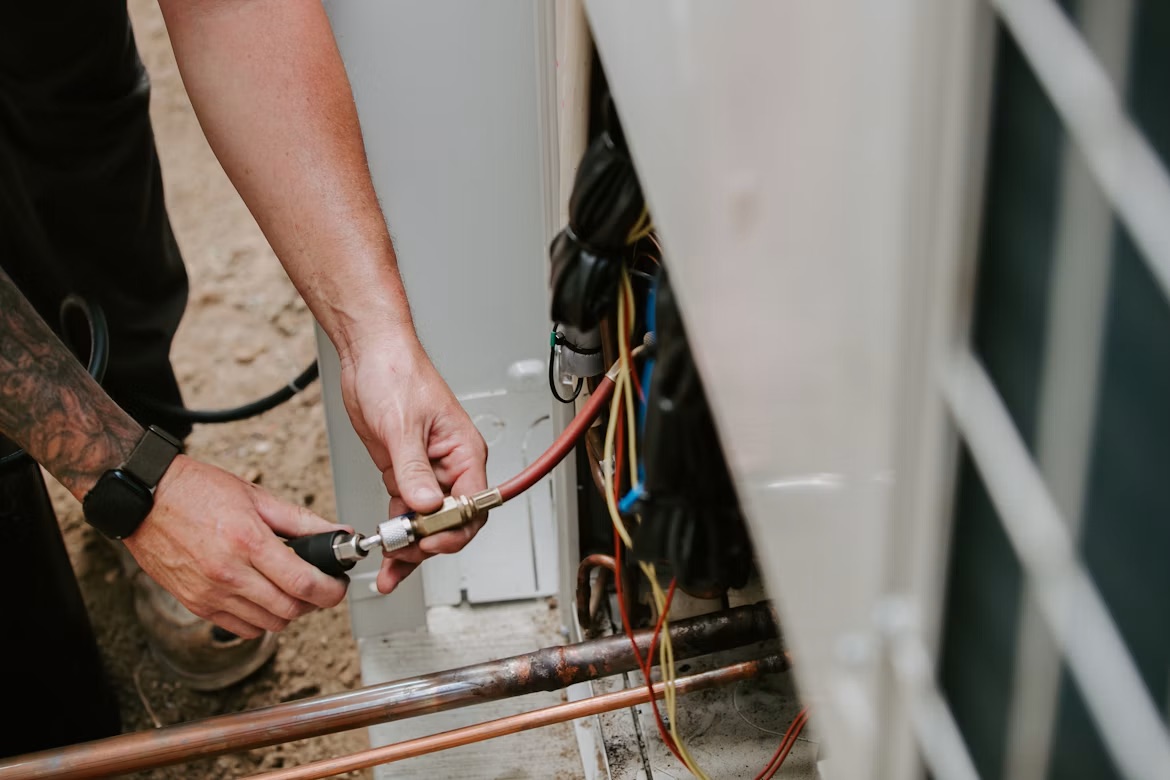
Commercial refrigeration technician jobs can lead to rack or walk-in service work. The term “commercial refrigeration” covers equipment in supermarkets, distribution centers, restaurants and food storage facilities, so job titles can vary from one employer to the next.
A posting may say commercial refrigeration technician or supermarket refrigeration technician.
Rack systems use centralized equipment to serve several refrigerated cases or spaces at one site. Walk-in work centers on individual coolers and freezers at customer locations. Both paths call for strong refrigeration basics and safe work habits.
What Does Rack System Work Involve?
Rack system work involves diagnosing and repairing larger refrigeration systems that support many connected units. This work can suit technicians who enjoy following a problem across a full system instead of focusing on one standalone box.
A rack technician may work around equipment such as:
• Compressor racks that supply refrigeration to several loads
• Condensers that reject heat from the system
• Evaporators inside display cases or refrigerated spaces
• Electronic controls and defrost parts
Temperature issues can start in more than one place. A technician may trace low suction pressure, a refrigerant leak, a control problem or a defrost failure through connected equipment. Reading pressures and temperatures matters, along with understanding how each part affects the larger system.
Schedules can also look different in supermarket refrigeration. Grocery stores and large food retailers need cold equipment operating around the clock, so employers may need technicians for emergency calls or overnight repairs that work around store hours. If you like detailed diagnostics and system-wide troubleshooting, rack work may be a good fit.
What Does Walk-In Refrigeration Work Involve?
Walk-in refrigeration work involves installing and repairing standalone coolers and freezers. Businesses use these systems when they need protected cold storage for food or beverages.
Service calls often involve parts like condensing units, evaporator coils, fan motors and temperature controls. Door heaters and door seals also affect how well a walk-in holds its temperature. A warm box, ice buildup, failed fan or electrical issue can interrupt a customer’s daily work quickly.
Walk-in technicians may travel between restaurants, convenience stores, commercial kitchens and warehouses. Each site can bring a different equipment layout and a different type of problem. This path can fit technicians who prefer varied job sites and hands-on repairs. It also involves direct conversations with customers about what happened and what the equipment needs next.
How Do These Jobs Differ, And What Helps You Get Hired?
Commercial refrigeration technician jobs differ mainly by equipment scale and troubleshooting scope. Rack and walk-in experience are related skills that can build on each other over time.
Rack technicians often diagnose larger systems with many connected components. Walk-in technicians commonly focus on one cooler or freezer system at a customer location. Some employers need people who can handle both, especially service companies that work with a broad range of commercial accounts.
Useful terms include:
• Supermarket refrigeration or rack systems
• Walk-ins or low-temperature equipment
• Controls and electrical diagnostics
• Emergency service or on-call work
Job descriptions may also explain whether the role focuses on installation or service calls. Those details can help you choose work that fits your experience and preferred schedule.
Technical skills matter in either path. Employers may look for people who can read wiring diagrams, use electrical test equipment, check temperatures and pressures, locate refrigerant leaks and understand the refrigeration cycle. Clear service notes also help store managers and kitchen staff understand the issue and the repair.
EPA Section 608 certification is required for technicians who maintain, service, repair or dispose of equipment that can release regulated refrigerants. Type II certification commonly applies to high-pressure commercial refrigeration equipment. Universal certification can support work across equipment types. State and local licensing requirements can vary by location and employer, so review each job posting for its stated requirements.
Where Can You Find Commercial Refrigeration Technician Jobs?
You can find commercial refrigeration technician jobs and related HVAC jobs by searching for titles that match your equipment background and preferred service area. Try terms such as commercial refrigeration technician, refrigeration service technician, supermarket refrigeration technician or walk-in cooler technician.
Refrigeration jobs sit under HVAC on Tradesppl. At the end of October 2026, US employers had 645 HVAC technician jobs open on the board, and the ads that named a wage offered typical pay of $77,000 a year (October 2026 Hiring Index).
Before applying, look beyond the title. Review the equipment list, on-call expectations, travel requirements and certification requirements. A role that mentions compressor racks and supermarket cases may center on large retail systems, while a posting that names coolers, freezers and restaurant accounts may lean toward walk-in service.
Your application should make your hands-on experience easy to understand. Include the diagnostic work you can perform and your EPA certification level. Clear details about rack systems, walk-ins, electrical troubleshooting or low-temperature equipment can help an employer understand where you can contribute from day one.
Search commercial refrigeration technician jobs and apply for free through Tradesppl.